Lately, it’s been hard to ignore the growing online conversation about body image. With the onslaught of commentary about certain celebrities who appear to have become ultra-thin almost overnight, the noise about food and body size is amplified right now.
For parents, this might feel like a tricky moment to navigate. As terms like Ozempic, SkinnyTok, and bigorexia become more familiar parts of the culture, our kids are watching. And it can be hard to know how to help them maintain a positive relationship with food and their own bodies at a time when it seems no one is allowed to be truly satisfied with their physical appearance or health. Whether it’s a thin-is-in aesthetic or a push towards increasingly extreme beauty and “wellness” trends like fibermaxxing, looksmaxxing, sleepmaxxing, or gainsmaxxing, you might be feeling maxed out on understanding what messages kids are receiving!
The good news is that, despite the algorithms, we still have the opportunity to send powerful and positive messages to our kids, face-to-face, at family mealtimes. The way we talk about and model eating has a big impact on helping children develop healthy, balanced habits long-term. And family dinners can be a key ingredient in fostering positive body image and even helping prevent eating disorders.
Dr. Jennifer Goetz, Assistant Professor and Medical Director at Cincinnati Children’s Hospital, encourages parents to focus on two key messages. “The first is not to label foods as good or bad but to teach kids what different foods do for them. All foods, even desserts, have energy exchange so they are useful. Protein builds muscle and we need carbs because they are a quick energy source.
The second message is even more important. It is the modelling that parents can do around food. When parents diet, there is an implicit assumption that some foods are better than others, even if it’s not explicitly stated. If they make a beautiful meal and just eat a salad, kids will notice that. Parents should model that food is for nutrition, but also that it is social, emotional, and for celebration.”
Here are some starting points to help you build a more food positive environment:
- Make regular family meals a priority. Even if it’s 15 minutes to eat together, sharing food and warm connection helps build a positive association for kids. And eating the same foods provides the opportunity to model important underpinnings like variety and enjoyment.
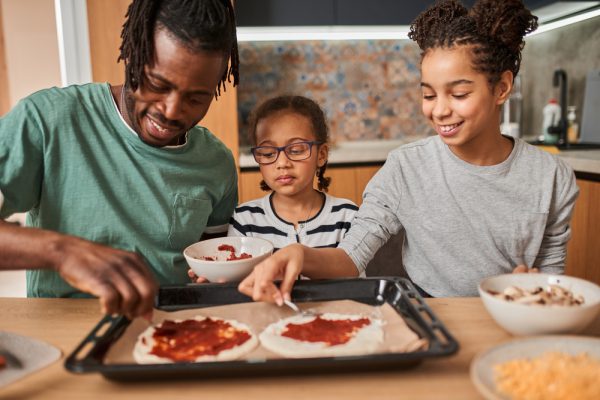
- Offer opportunities to play with food. Younger kids might enjoy food-based sensory games and kitchen science experiments, while family members of all ages can get into building creations like food collages, yogurt banana splits, or top-your-own pizzas (maybe even Outer Space pizzas!). Making food and eating fun turns down the pressure and helps normalize the social aspects of eating.
- Explore food together. Try new recipes or old family favorites. Check out a restaurant that serves something you’ve never had before. Go shopping together and let family members suggest new ingredients to try. And whenever possible, share a story or positive association – the memory of the first time you learned to cook a traditional family dish, the funny story about that ice cream parlor you visited on vacation, or how you learned to love a food you once thought you hated.
- Stay on top of body talk. It’s everywhere, and chances are, even the most well-meaning among us are making some mistakes with how we talk about eating and body size. This in-depth interview with Dr. Stephanie Harshman, PhD, RD, LD and clinical dietitian at MassGeneral Hospital for Children, can help point parents in the right direction to set kids up for success.
Food

Homemade pretzels are one of the best ways to play with food – try making different shapes or mixing up different dipping sauces!
Fun
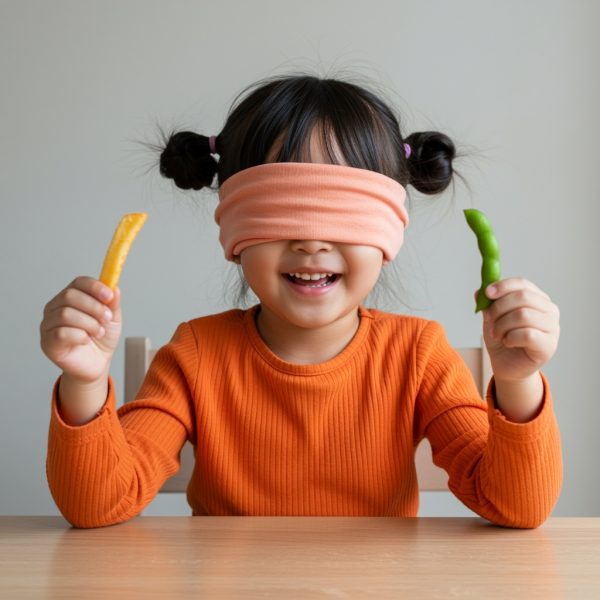
Set up a fun sensory challenge with a Blindfolded Smell Test.
Conversation
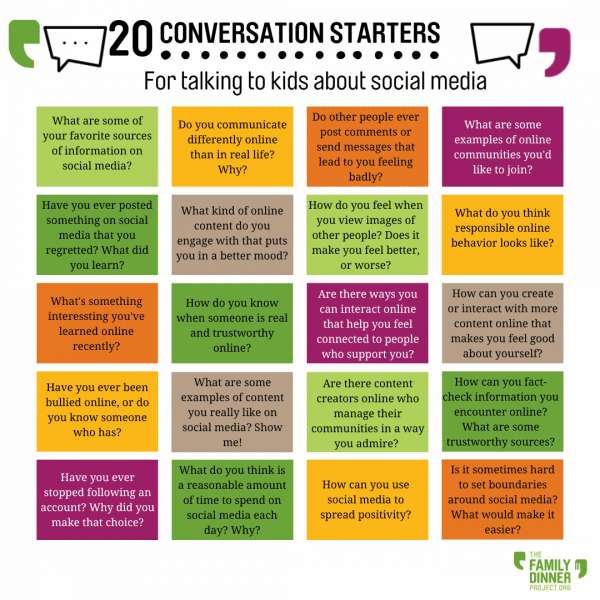
Talk about what kids are seeing and hearing online with this big list of conversation starters about social media.